Written report
Grains per gallon, pH, iron, and chlorine on one page
Water Hardness Testing Diamond Bar CA tells you exactly how many grains of hardness are coming out of your tap, usually in under 30 minutes. We test homes and businesses across Los Angeles County with calibrated meters and a titration kit, then hand you a written report. If you are shopping for a softener or wondering why your fixtures keep spotting, start with a free water hardness test Diamond Bar CA.
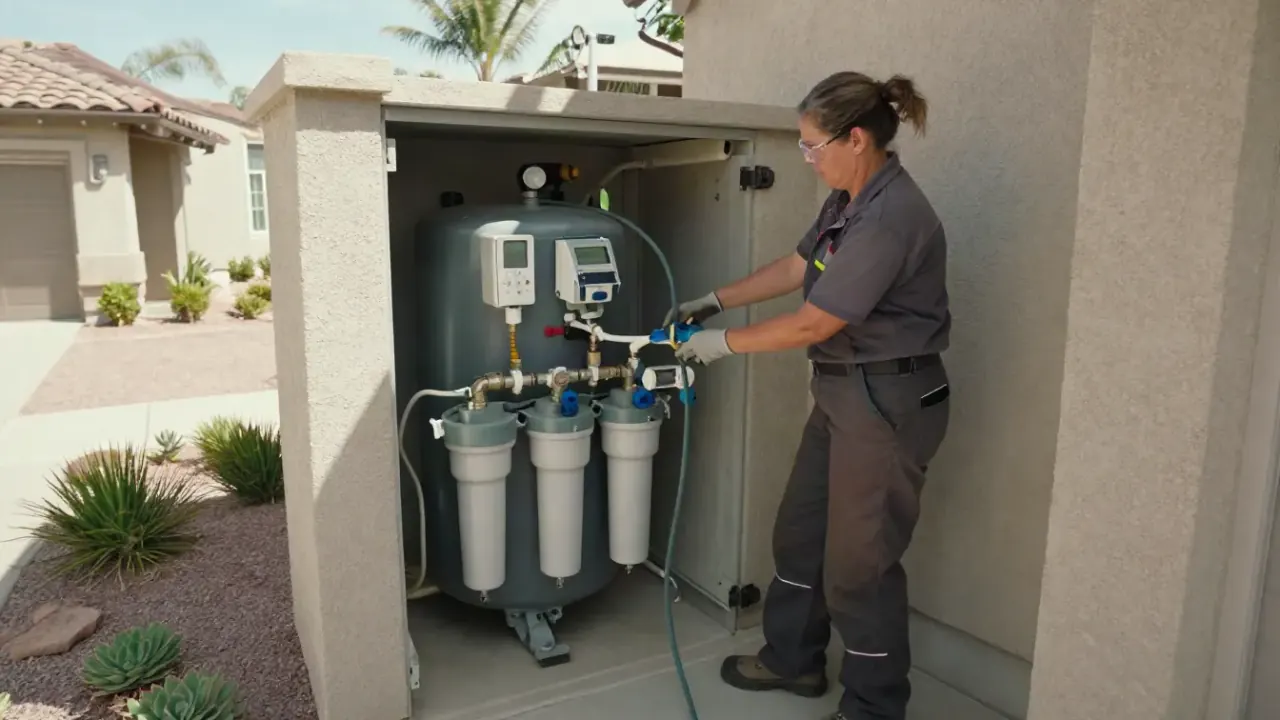
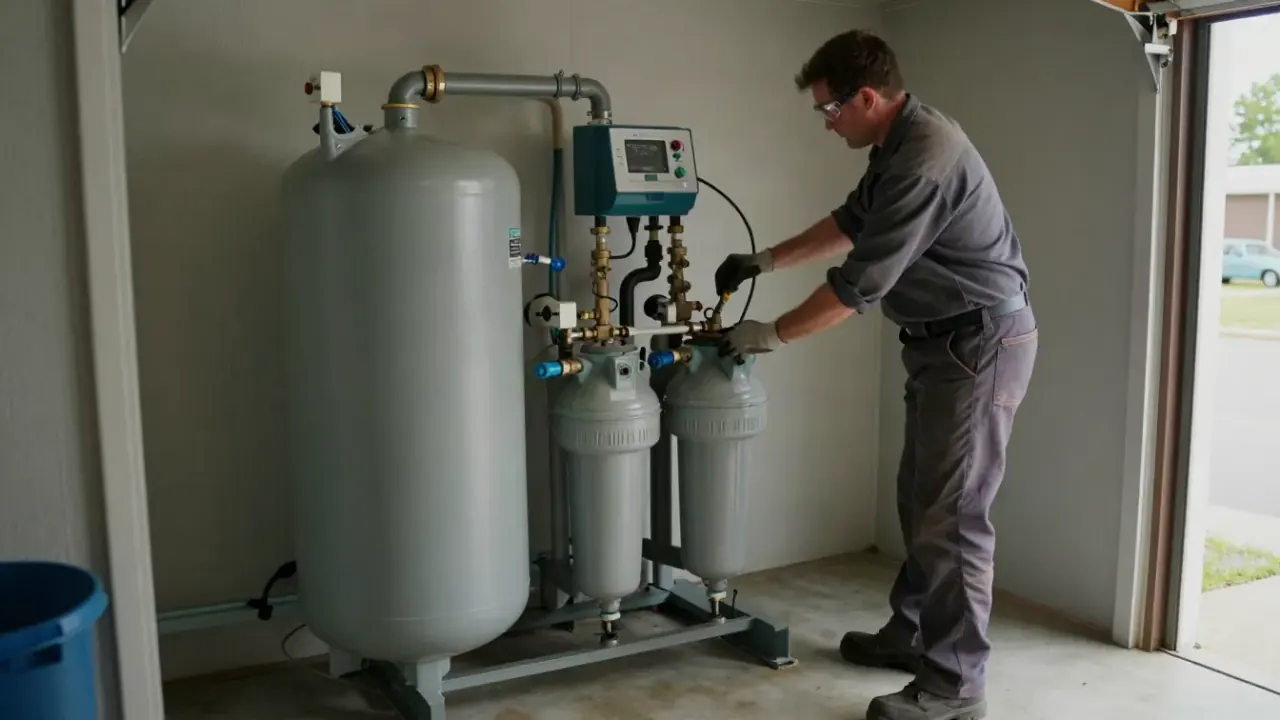
Every on-site test covers the core numbers you need to size treatment equipment. Add-ons like well water screening or a full water quality panel are available if your situation calls for them, and we tell you upfront which ones apply.
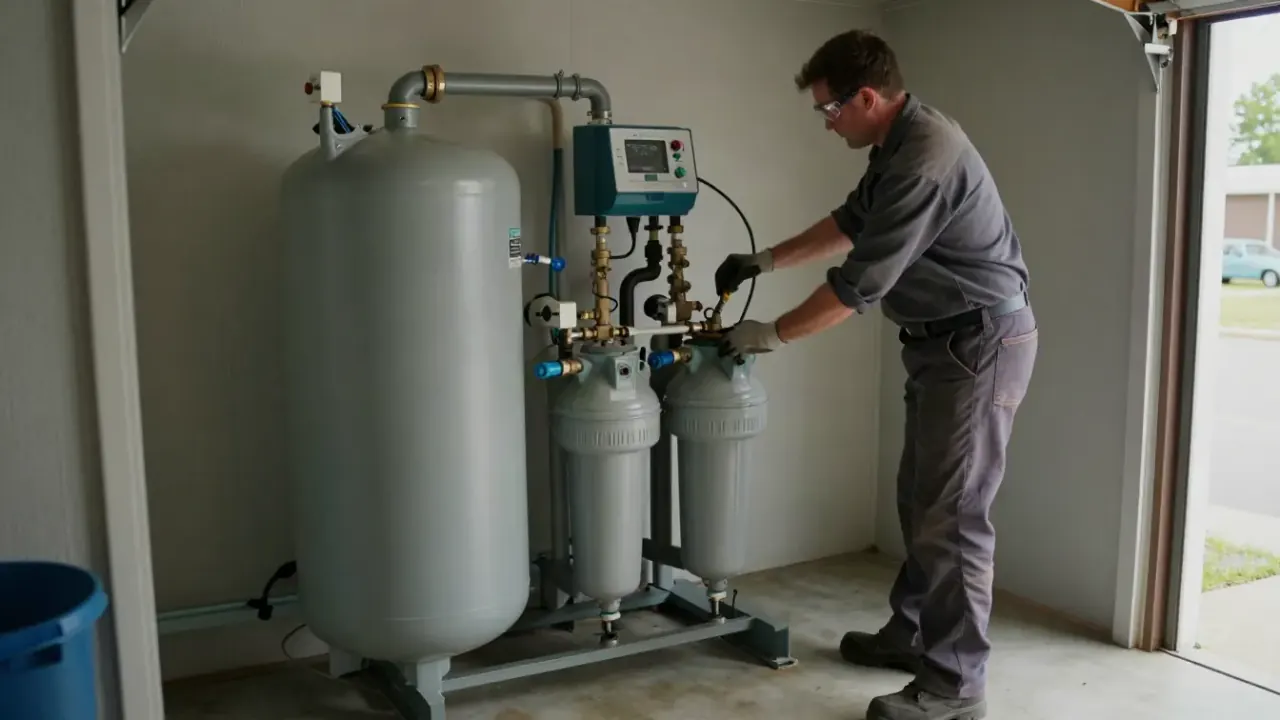
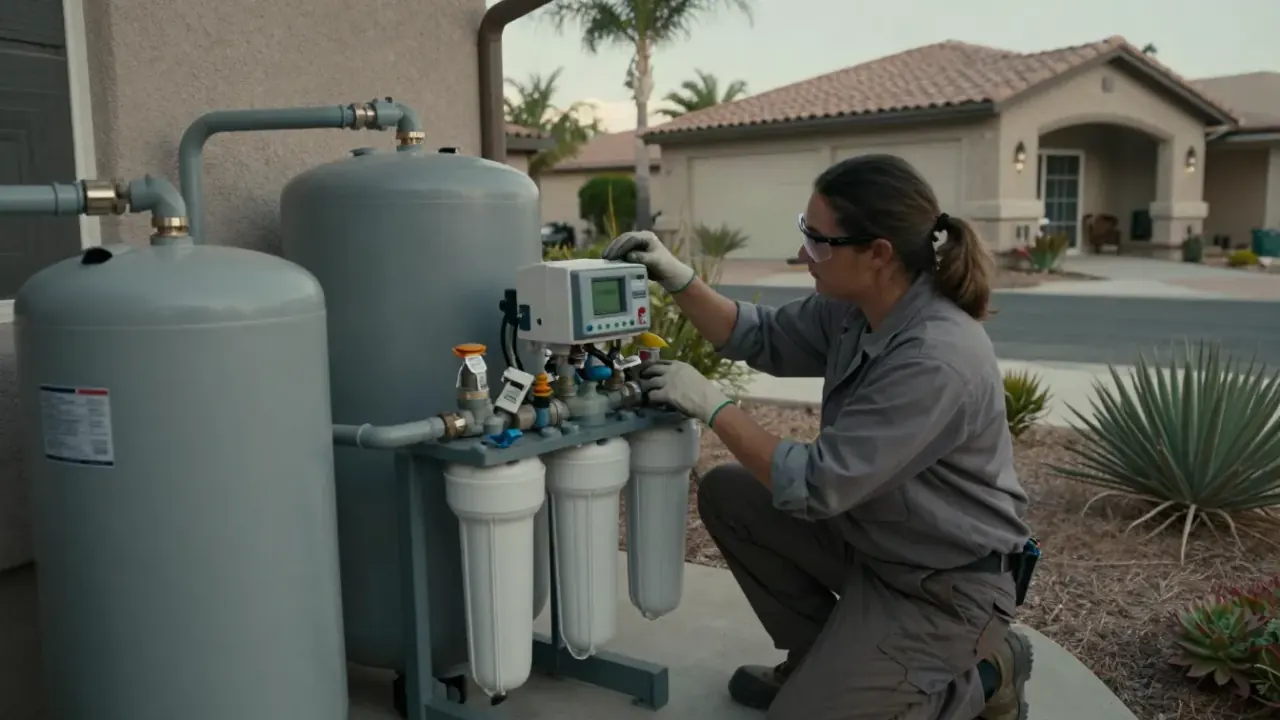
We test your kitchen tap, an outdoor hose bib, and the water heater drain so you see the full picture. You get a written report with grains per gallon, pH, iron, and chlorine before we leave.
We test water at restaurants, rental properties, and small offices across Diamond Bar. You get per-address reports so equipment is sized correctly for each location.
Water Hardness Testing Diamond Bar CA is a diagnostic service that measures the dissolved calcium and magnesium in your water and reports it in grains per gallon (gpg) or milligrams per liter (mg/L). We pull a sample from your kitchen tap, an outdoor hose bib, and your water heater drain, because hardness can vary between the street main and the far end of your plumbing. A calibrated TDS meter gives us total dissolved solids in seconds, then a titration drop test pins down the exact hardness. Most Diamond Bar water lands between 8 and 14 gpg, which is firmly in the hard range.
We also test for the things that make hardness worse: pH, iron, and chlorine. High iron throws off softener sizing, and chlorine shortens the life of ion exchange resin. If you are on a private well near Sycamore Canyon or The Country, a hard water test for well water Diamond Bar is the only way to size equipment correctly. Bring us a sample or book a visit, and we will tell you what is in your water before you spend a dollar on treatment.
We test three points because hardness is not always the same at every tap.
Five steps, one visit, and a written result you can keep. Most residential tests wrap up in under an hour, and we explain every number before we leave.
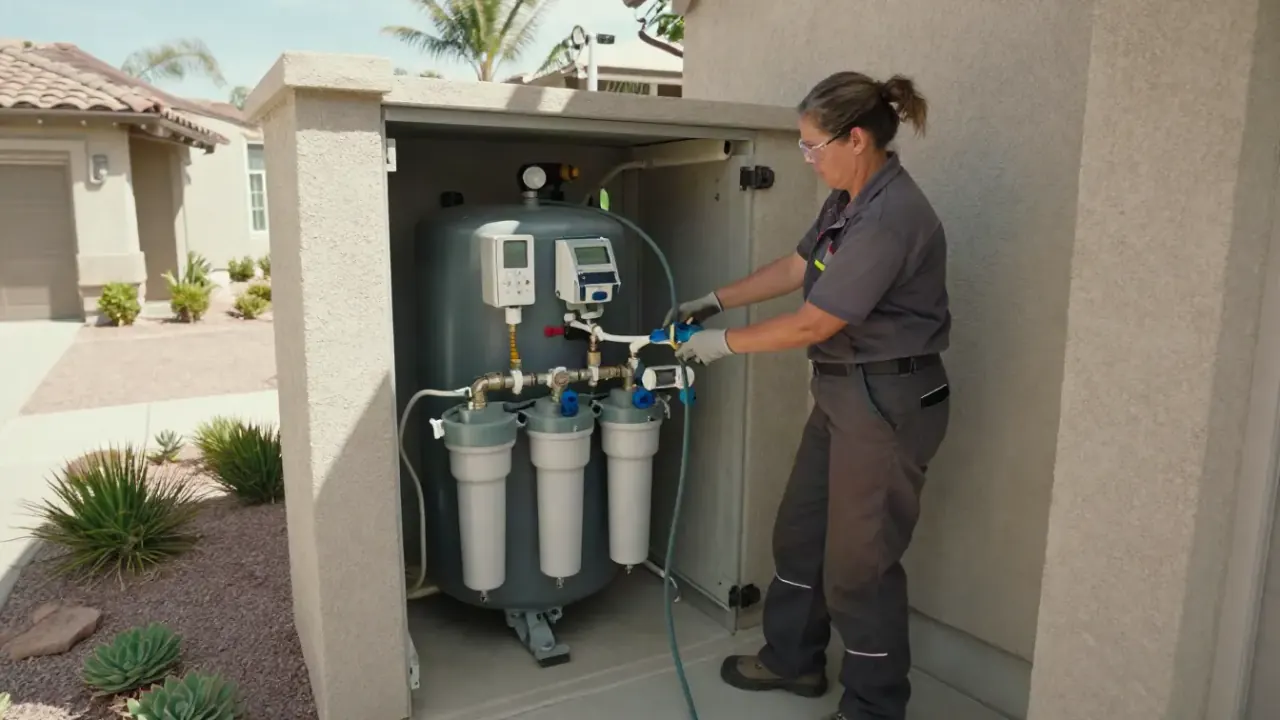
Call (909) 415-2296 or request a time online. We schedule same-day and next-day slots across Diamond Bar and Los Angeles County, including evenings. Tell us if you are on city water or a private well, because well water gets an extra iron and manganese screen. You will get a text when the technician is on the way.
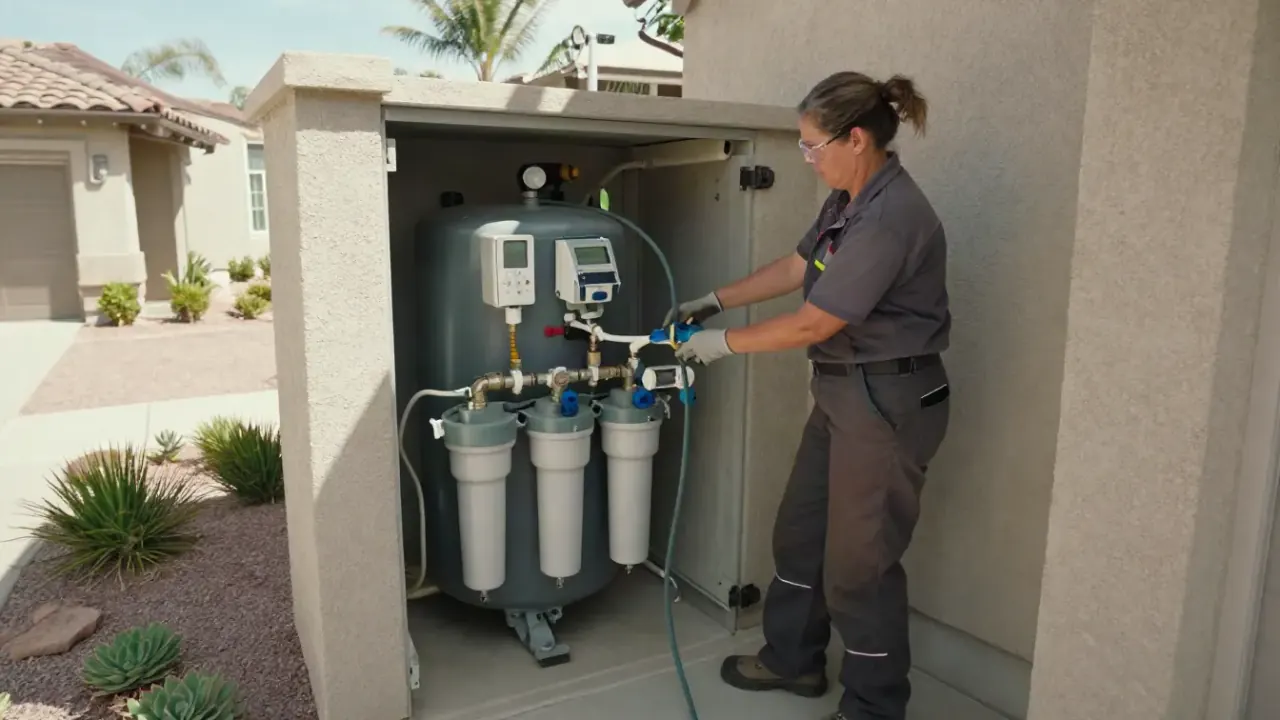
We run the cold tap for two full minutes to clear the line, then fill three clean sample bottles: kitchen sink, an outdoor hose bib, and the water heater drain valve. That last one shows what years of hardness have already deposited in your tank. The whole collection takes about 10 minutes.
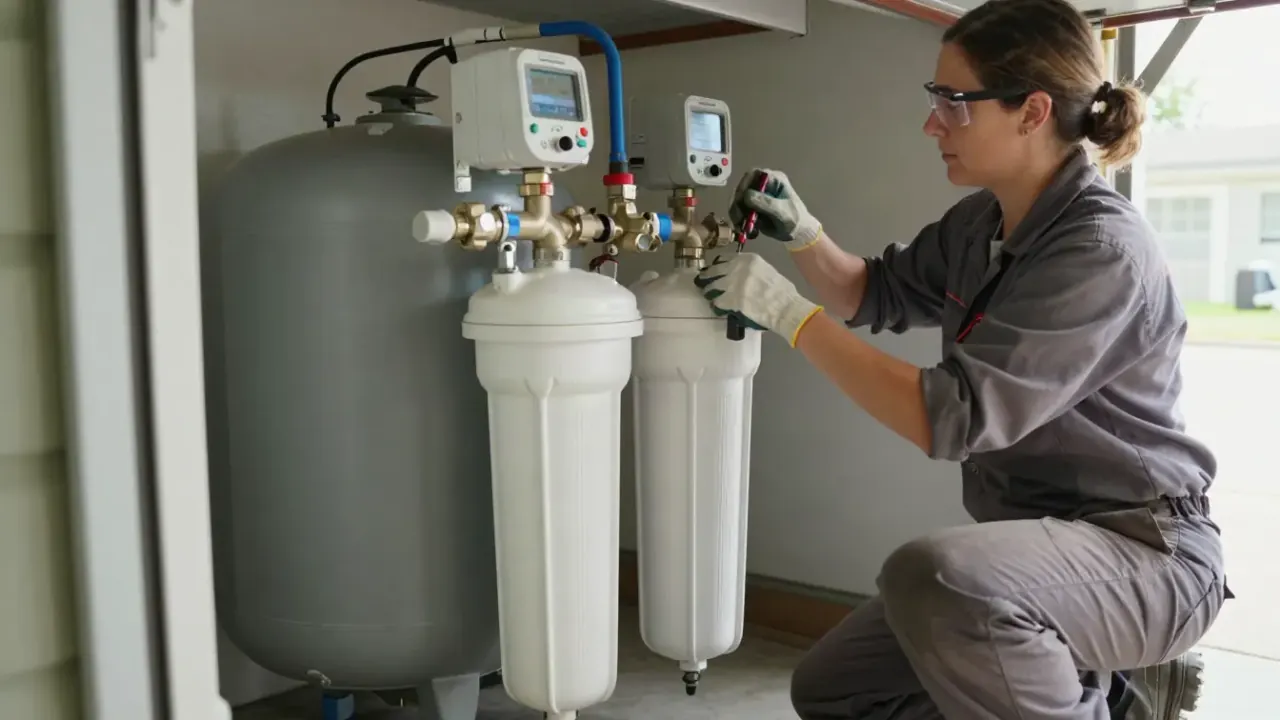
A calibrated TDS meter reads total dissolved solids on the spot, then we run a titration drop test for calcium and magnesium hardness. We log pH, iron, and chlorine too, since each one affects softener sizing and resin life. You watch the numbers come up in real time.
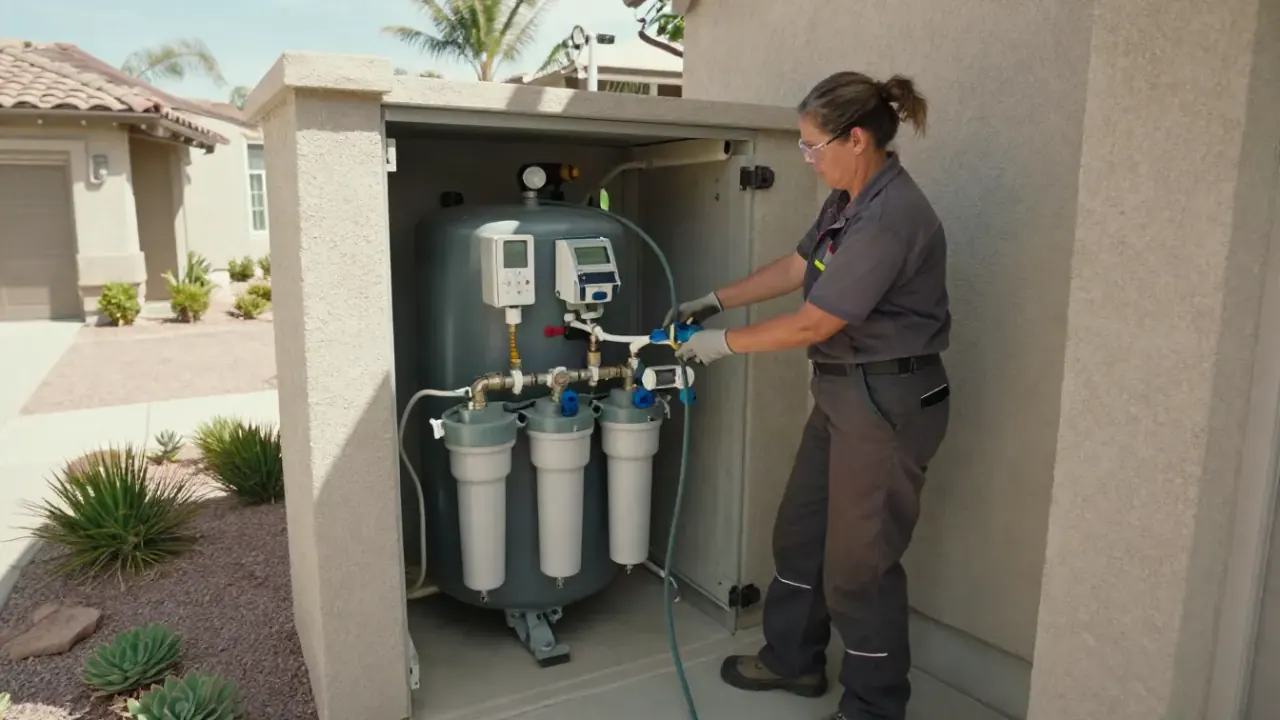
We write your grains per gallon, pH, iron, and chlorine on a one-page report and walk you through what each number means. If hardness is above 7 gpg, we explain your treatment options and what size unit fits your household. No pressure, no scripts, just the math.
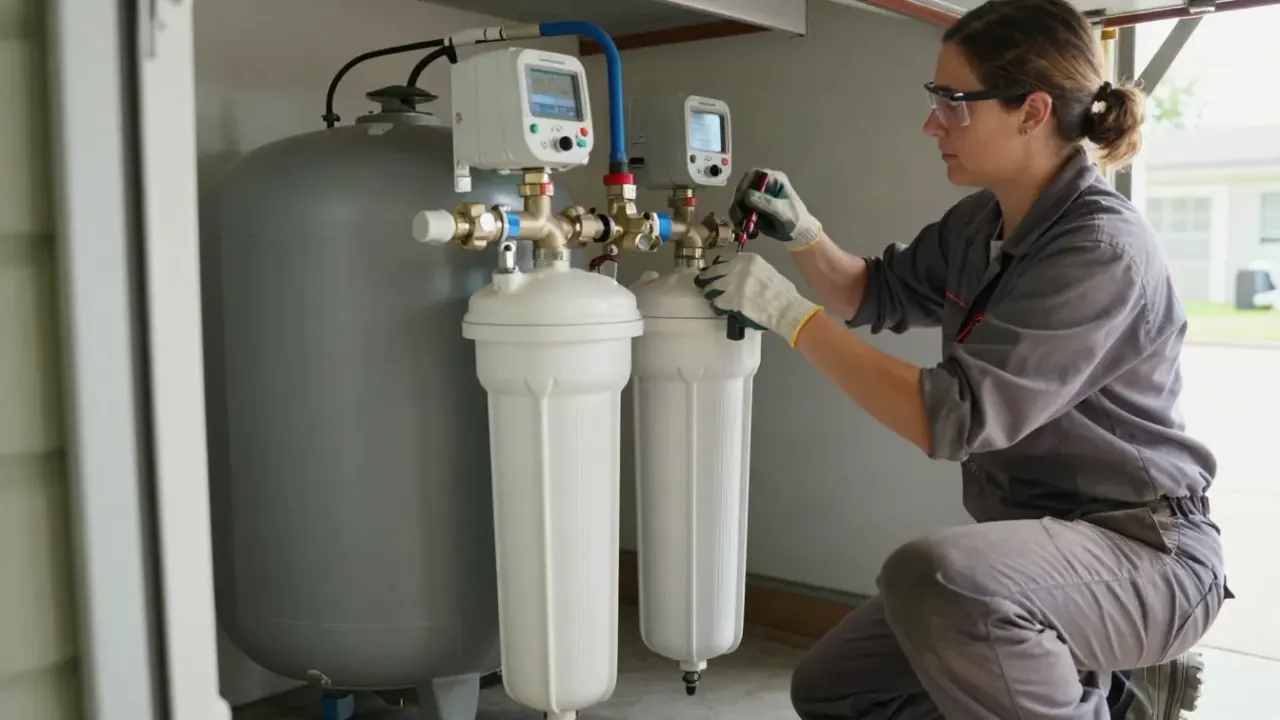
If you want to move forward, we quote a softener, salt-free conditioner, or whole-house filtration setup sized to your exact result. If you just want the numbers, that is fine too. Either way you keep the report and can compare it against any other quote you get.
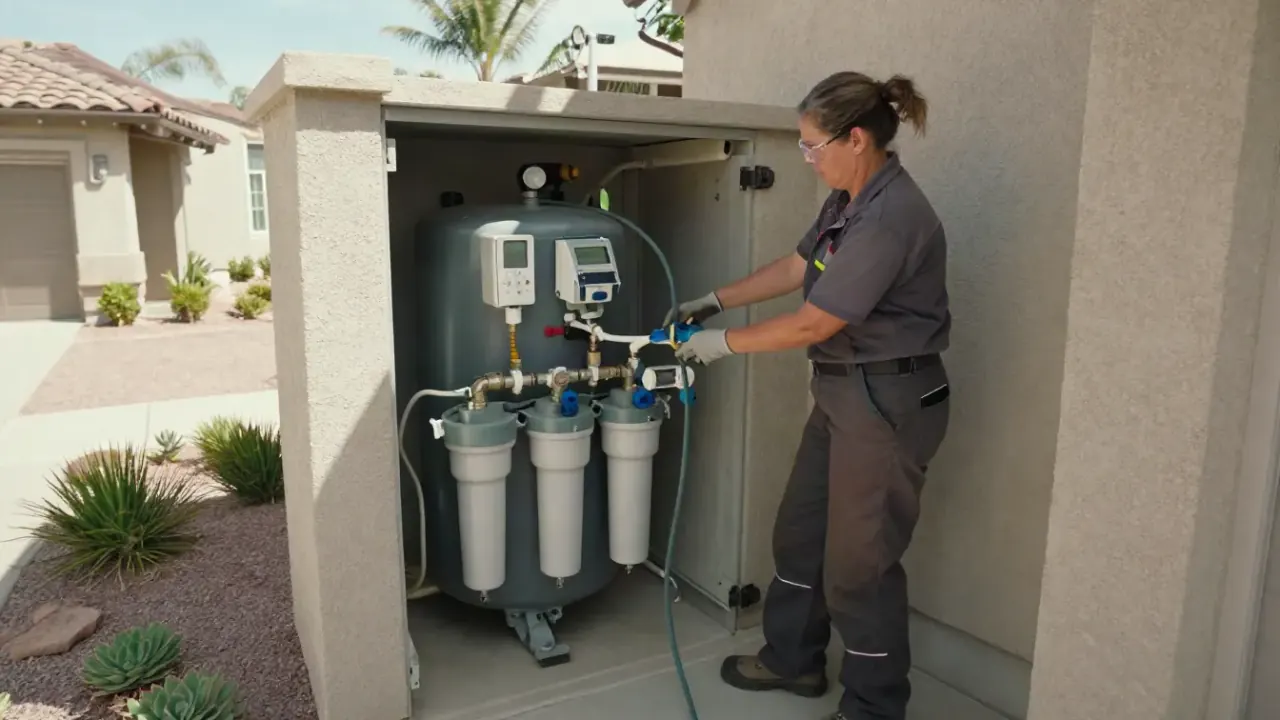
Reads total dissolved solids in your water within seconds. We check it against a standard solution before every visit so the number you get is real and not drifting.
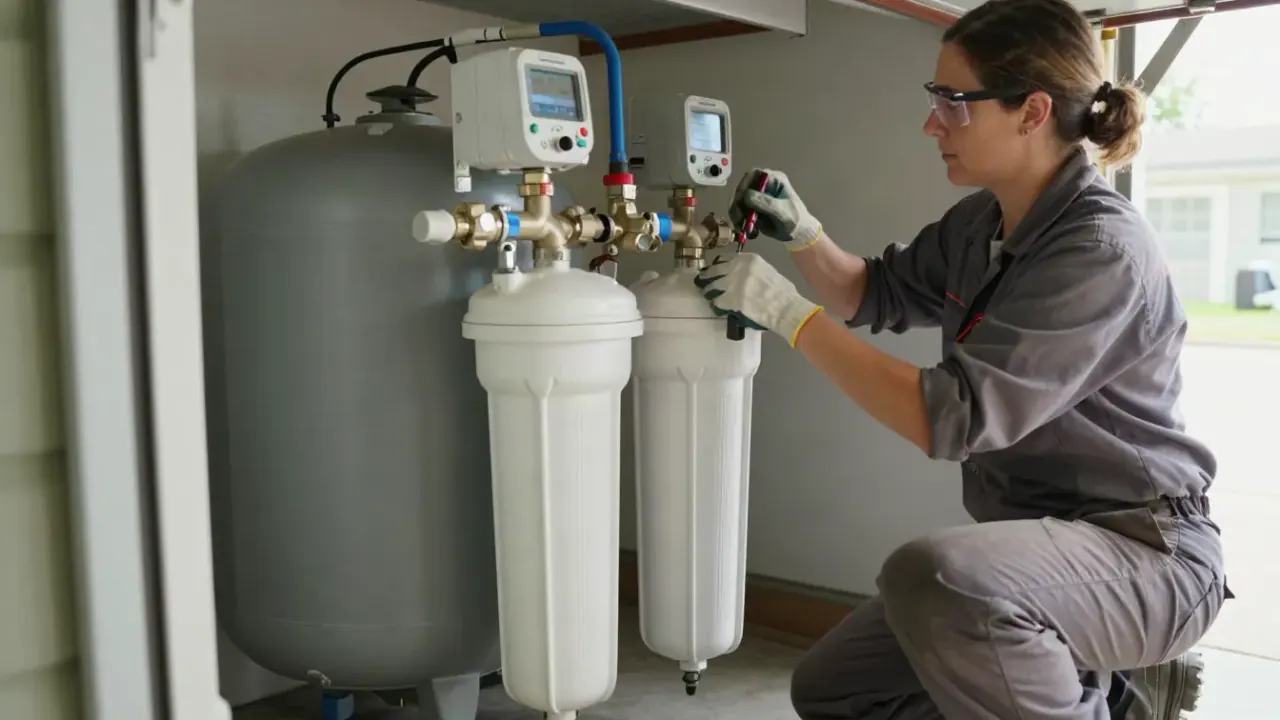
Drop-by-drop test that measures calcium and magnesium hardness to within half a grain per gallon. This is the number we use to size softeners and set control valves.
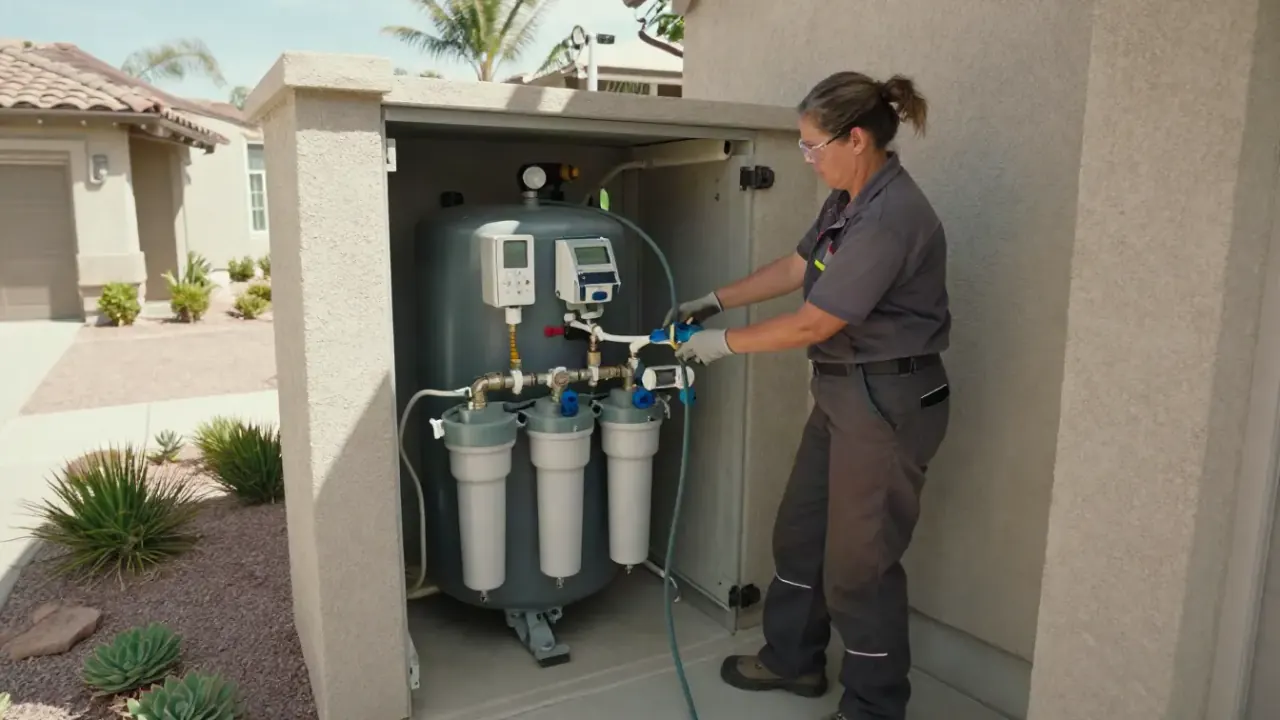
Confirm whether your water is acidic or heavily chlorinated. Both affect how long ion exchange resin lasts and whether we add a carbon filter ahead of the softener.
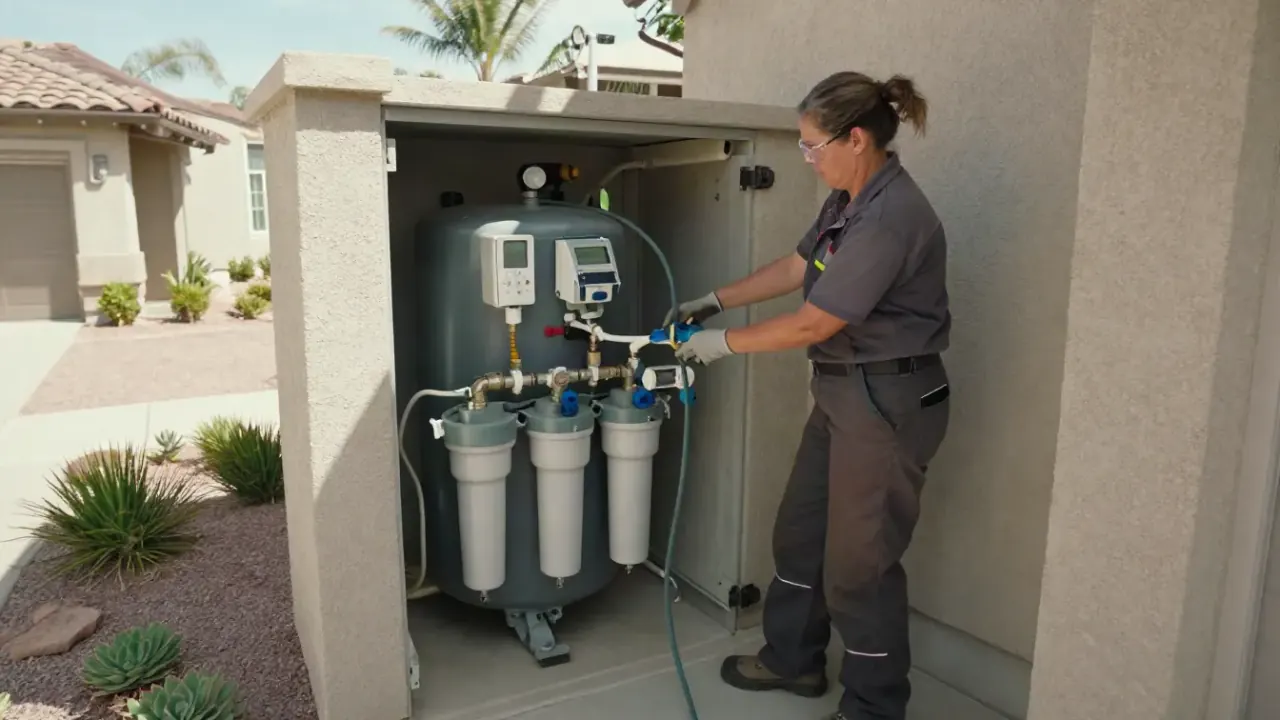
Used on well water calls near Sycamore Canyon. Iron fouls resin and throws off hardness readings, so we measure it before recommending any treatment equipment.
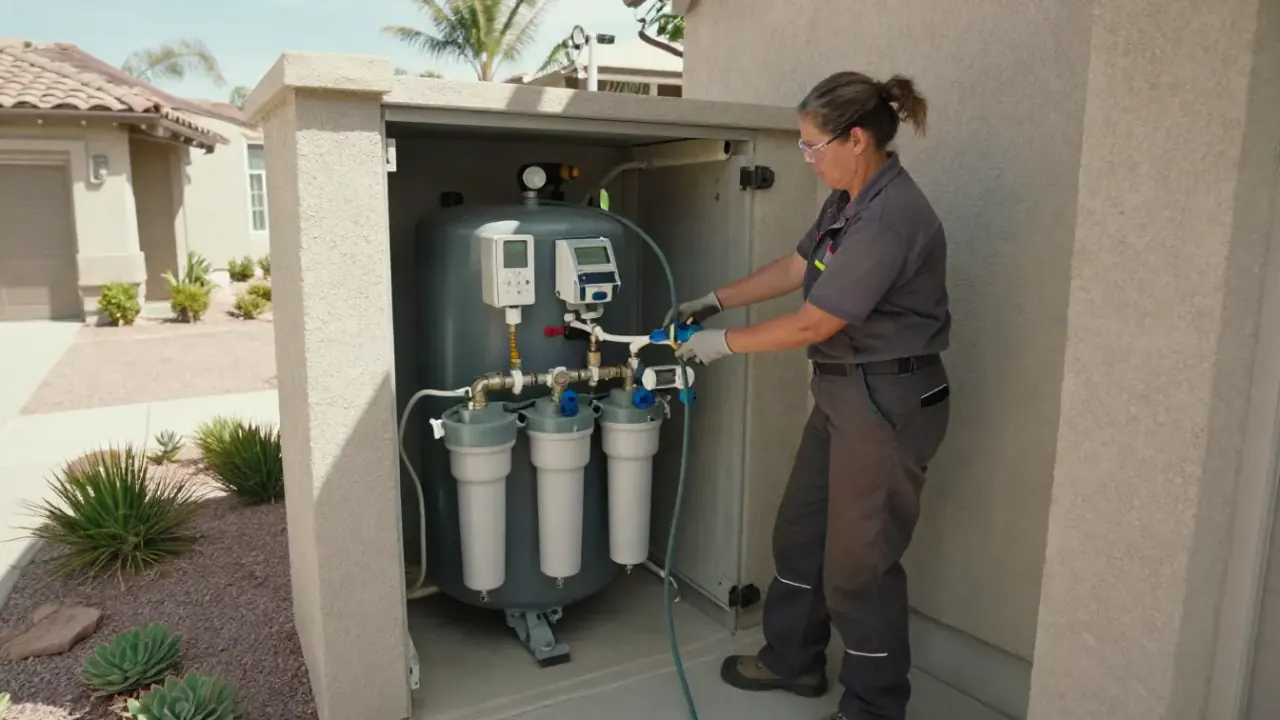
Lets us open a softener on the same visit to check resin condition, inspect the brine tank, and test treated water without shutting off the house supply.
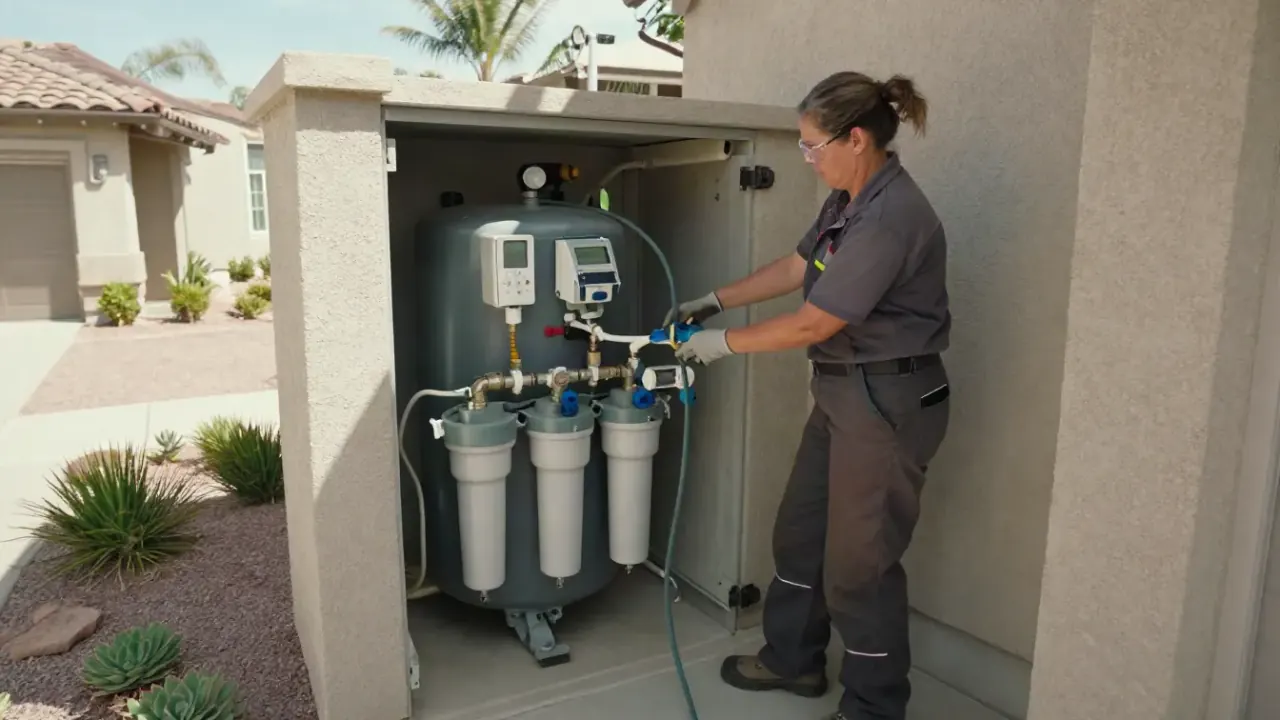
Clears sludge and salt bridges from the brine tank when a softener is not regenerating properly. We confirm the fix with a follow-up hardness test on the treated side.
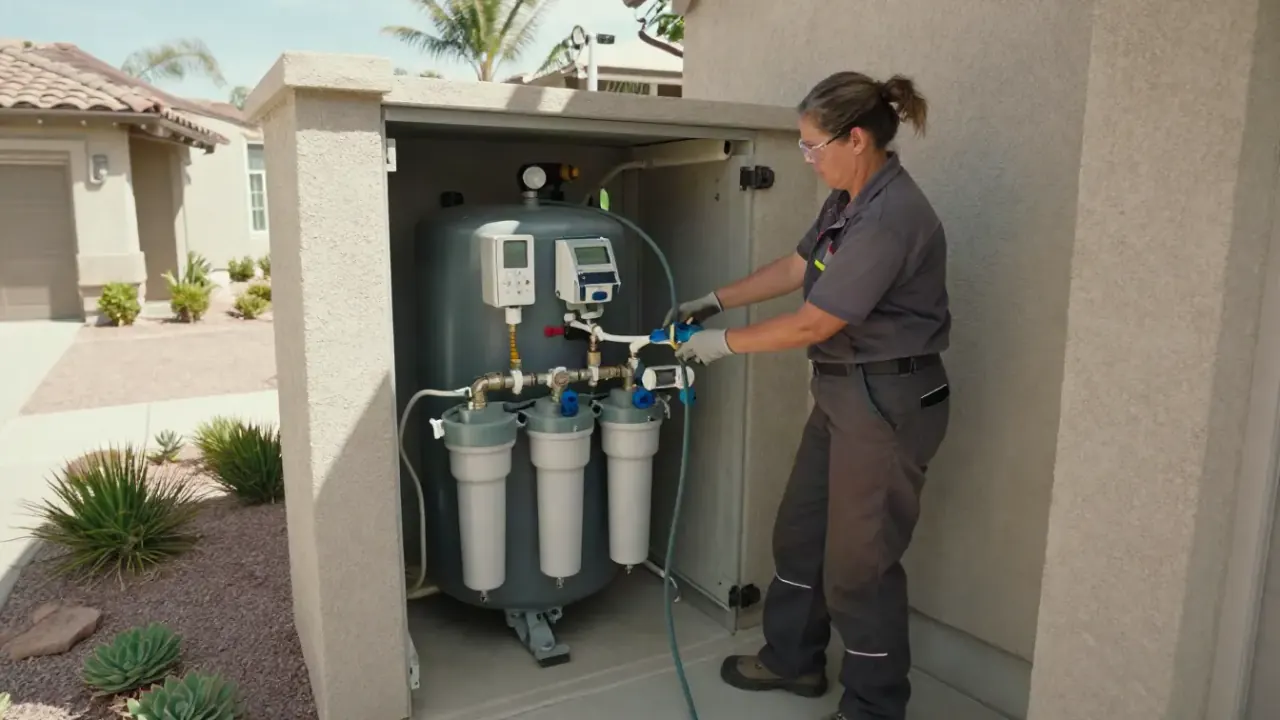
We test the kitchen tap, an outdoor hose bib, and the water heater drain. Testing three points shows whether hardness is uniform or higher at the far end of the plumbing, which changes how we size treatment.
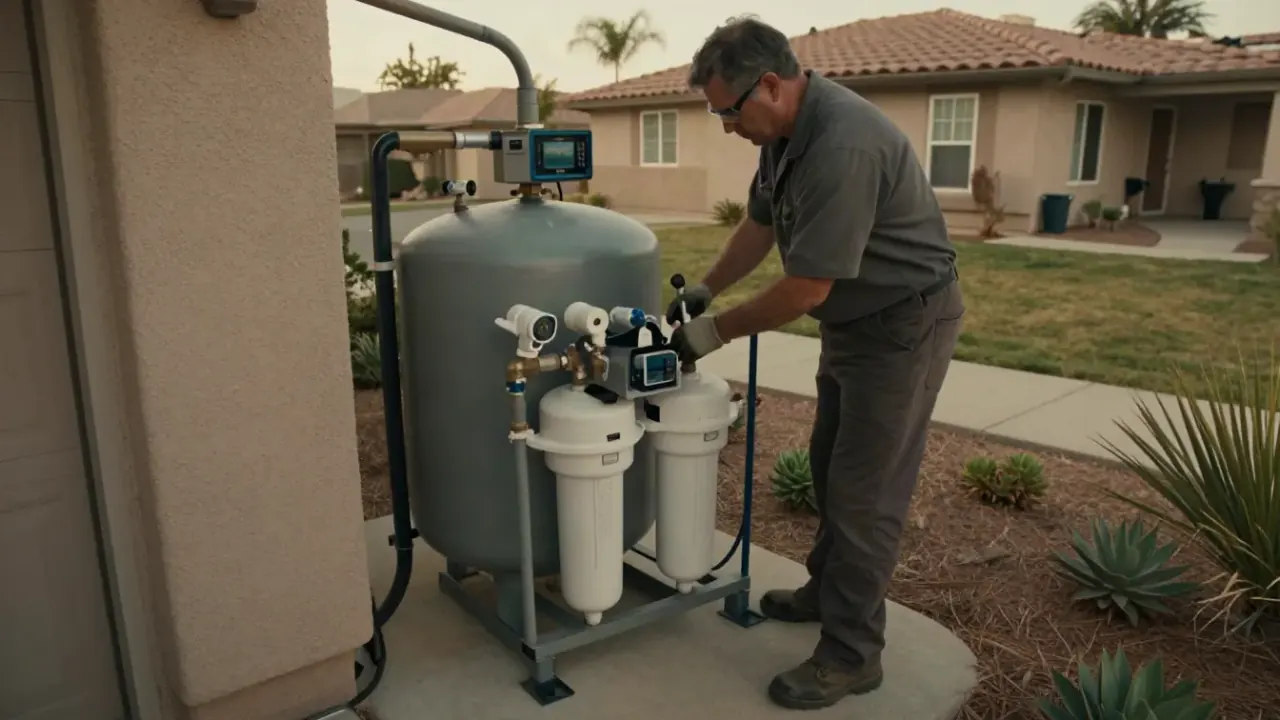
The standard field method for hardness. We add reagent drop by drop until the sample changes color, then read grains per gallon from the drop count. It is accurate to within half a grain when done correctly.
We test three points in your home, log the grains per gallon, and calculate the grain capacity your household needs based on bathrooms and daily use. We also check pH and chlorine so the resin is not fighting anything extra. You buy a softener that keeps up on laundry day and regenerates on schedule, instead of one that runs out of capacity mid-week.
We test incoming and treated water at the same visit. If the treated side reads the same as the incoming side, the resin is depleted or the control valve has failed. We diagnose it on the spot and quote the repair. You know whether you need a resin tank replacement, a valve repair, or just a settings reset, and the spots stop.
We run the standard hardness test plus iron and manganese screening. Those two metals foul resin and skew readings, so we measure them before recommending any equipment. Then we size treatment to the actual numbers. Your water stops staining fixtures and tasting metallic, and the softener you install lasts instead of failing in a year.
We test each property and provide a written report per address. Even on the same water source, readings can vary by a grain or two depending on plumbing runs and water heater condition. We size each unit to its own report. You replace softeners with the right capacity for each address and avoid callbacks from tenants about hard water.
Diamond Bar gets a blend of imported Colorado River water and local groundwater, and that blend shifts through the year. Summer readings often run a grain or two higher than winter, which is why a test from last spring may not match what is coming out of your tap now. Homes in 91789 and 91765 sit on the same general source, but plumbing age and water heater condition change what we find at the drain valve. Older neighborhoods like Diamond Point and The Country often have galvanized or original copper runs that hold scale differently than newer builds in Stonegate and Ridgeline. We also test well water for properties near Sycamore Canyon, where iron and manganese show up and foul resin if you skip the screen. If you are searching water hardness testing near me Diamond Bar, we can usually be at your door the same day and have your report in hand before we leave.
A family in Windwood was rewashing every load by hand because glasses came out with white film. Their softener was ten years old and set to 8 gpg, but the water tested at 13 gpg. The unit was running out of capacity two days before each regeneration.
We replaced the resin tank and reset the control valve to 13 gpg. Within one week the spots stopped, and the softener now regenerates on schedule instead of every other day. The family cut salt purchases by about a third.
We check hardness and clean the brine tank once a year. If the water source blend shifts, we reset the hardness number so the unit keeps regenerating at the right interval.
A home near Sycamore Canyon on a private well had orange staining in the showers and a metallic taste. Their softener was two years old and already failing. The hardness test showed 11 gpg, and the iron screen came back high enough to foul resin.
We installed an iron filter ahead of the softener, replaced the fouled resin, and cleaned the brine tank. A retest two weeks later showed treated water at under 1 gpg with no iron breakthrough. Staining stopped completely.
The iron filter gets backwashed on its own schedule, and we test treated water at the annual service. If iron rises, we adjust the filter cycle before it reaches the resin.
A property manager in Diamond Point was replacing four softeners and planned to buy identical units for all four homes. We tested each address and found readings from 9 to 12 gpg, with the two larger homes running higher because of longer plumbing runs and bigger water heaters.
We sized two smaller units for the lower-reading homes and two larger units for the higher ones. Six months later, no tenant complaints about hard water and no mid-week capacity issues. The manager avoided buying two undersized units.
Each property gets an annual hardness check and brine tank cleaning. If a tenant changes water use significantly, we retest and adjust the control valve setting.
Most Diamond Bar homes sit between 8 and 14 grains per gallon, and that shows up in predictable places. Here is what we find and how testing points to the fix.
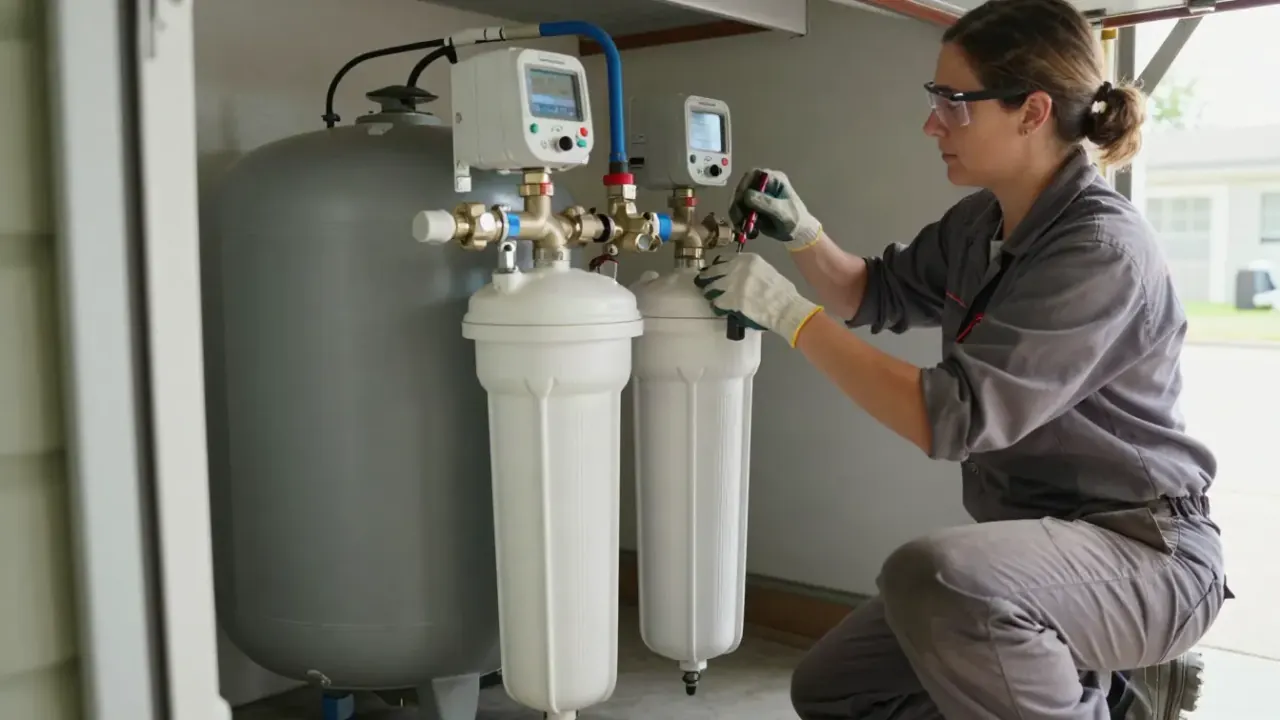
We test your kitchen tap and confirm the grains per gallon. If hardness is above 7 gpg, we size a softener to your household and set the control valve to that exact number so the spots stop. Spots mean dissolved calcium is drying on the surface. Left alone, the same minerals etch glass and build up inside the dishwasher pump and heating element, shortening its life by years.
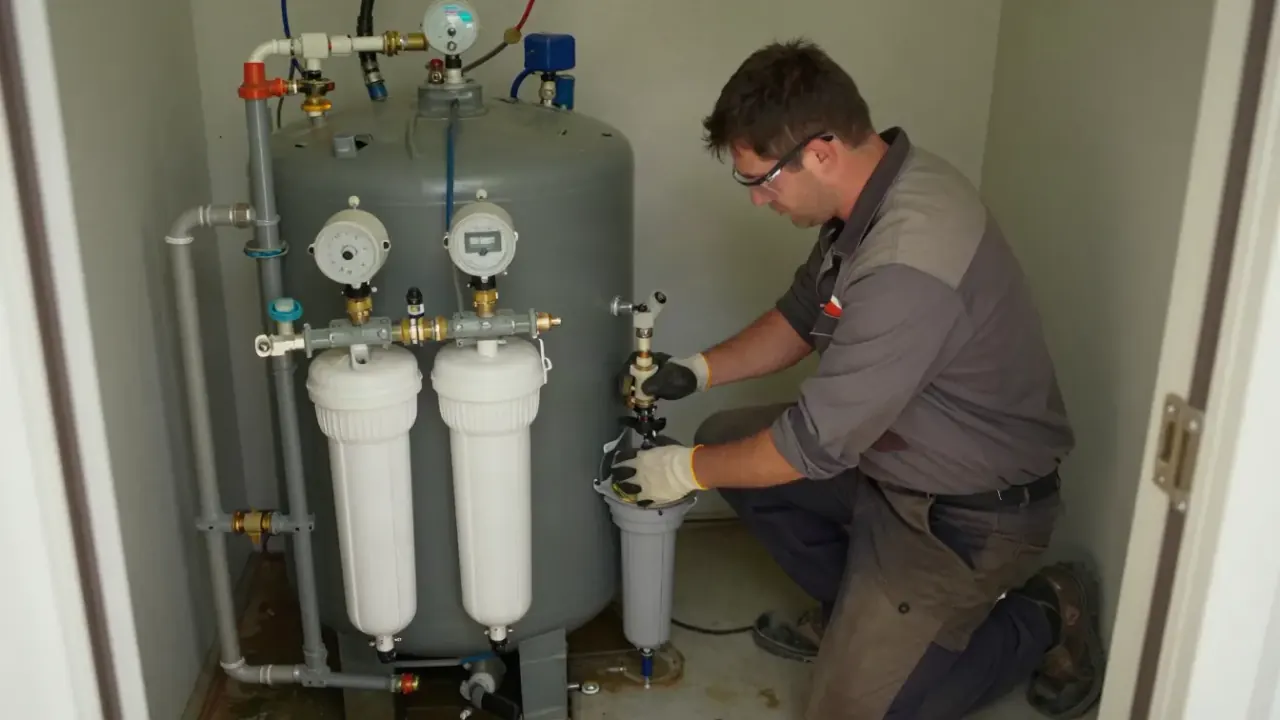
Our water hardness test Diamond Bar includes a sample from the water heater drain, which shows how much scale has already formed. We then recommend softening plus a flush to stop further buildup. Scale settles on the tank bottom and heat exchanger, insulating the burner. The heater works harder, pops louder, and eventually fails early. At 10 gpg, scale can build a sixteenth of an inch per year.
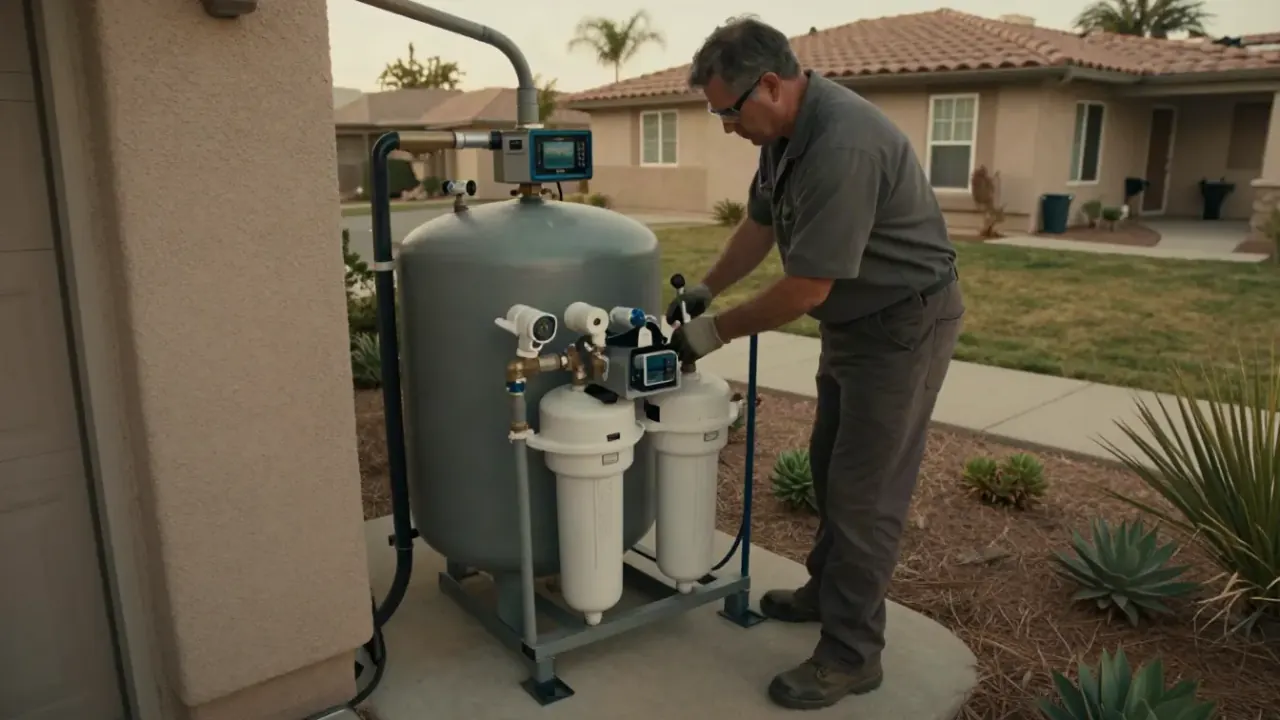
We test incoming and treated water side by side to see if the unit is actually removing hardness. If the resin is depleted or the control valve is failing, we repair or replace the head and reset the hardness setting. An undersized or mis-set softener lets hard water through on high-use days and regenerates more often than needed. That means salty water, wasted water, and resin that wears out faster.
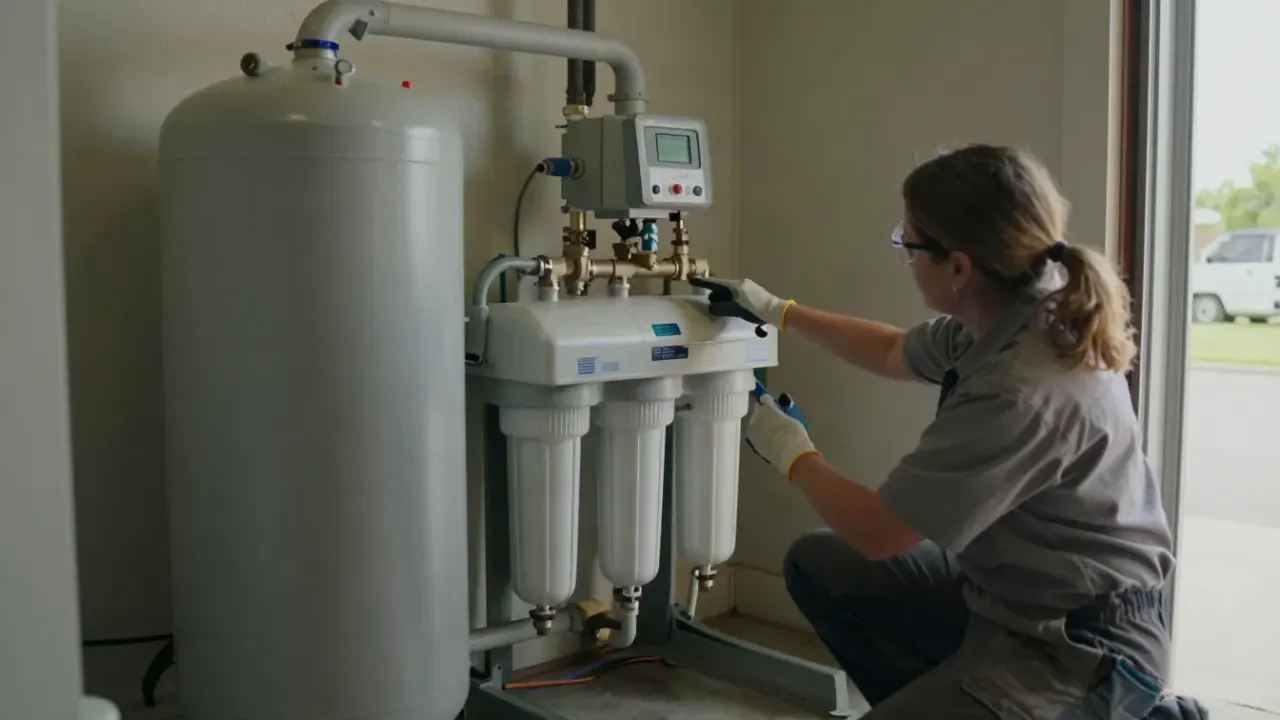
For well owners, we run a hard water test for well water Diamond Bar with an iron and manganese screen. That tells us whether you need an iron filter ahead of the softener or a different treatment approach entirely. Iron and manganese foul ion exchange resin and throw off hardness readings. A softener alone will not fix it, and guessing at the numbers leads to equipment that fails within a year.
Scale builds inside water heaters, dishwashers, and tankless coils at about 1/16 inch per year at 10 gpg. Once it hardens, it insulates the heat exchanger and drives up your gas bill. Testing tells you the real number so you can treat before the damage starts. Homeowners in Windwood and Diamond Point see this most on tankless units.
A softener sized for 8 gpg will run out of capacity mid-week if your water is actually 14 gpg. That means hard water on laundry day and a brine tank that regenerates twice as often. We calculate grain capacity from your test result, household size, and daily gallons so the unit keeps up.
Oversized softeners use more salt and more regeneration water than they need. When we test first, we can set the control valve on your Fleck or Clack head to the exact hardness, which trims salt usage and stretches the resin. Some customers cut salt purchases by a third after a proper reset.
Hard water spots on glassware, white crust on faucet aerators, and stiff showerheads are all hardness calling cards. Testing confirms the cause instead of guessing. Once treated, your dishwasher, coffee maker, and washing machine run cleaner and last longer. We have seen water heaters go years longer after treatment.
Typical 2026 pricing in this area runs $0 to $95 for a standard residential test, and it is free when you book a softener or filtration quote with us. Standalone tests with a written report are $95. Well water tests with iron and manganese screening run $125 to $175 because of the extra lab work. There is no charge for the walkthrough or the sizing recommendation. If you just want numbers and no equipment quote, that is fine, and the report is still yours to keep.
What your estimate is based on
$0 - $175 depending on water source and add-ons The test costs less than one undersized softener you have to replace in two years. Knowing your exact grains per gallon means you buy the right unit once and set it correctly from day one.
Clear records you can keep and share.
Grains per gallon, pH, iron, and chlorine on one page
Grain capacity recommendation based on your household use
Softener, conditioner, or filtration matched to your numbers
Grains per gallon tells you how much calcium and magnesium is dissolved in your water. Under 3 gpg is soft, 3 to 7 is moderately hard, 7 to 10 is hard, and above 10 is very hard.
Grains per gallon and milligrams per liter measure the same thing in different units. One grain per gallon equals about 17.1 mg/L. Softener sizing uses grains per gallon.
A TDS meter reads everything dissolved in your water, not just hardness. You need a titration test to isolate calcium and magnesium. TDS alone will not size a softener correctly.
Hardness can read higher at the water heater drain than at the kitchen tap after years of scale. Testing three points shows what is in your water now and what has already built up.
Outside these areas? Call and ask about your street. (909) 415-2296
Most residential water hardness tests in Diamond Bar run $0 to $95, and our on-site test is free when you book a softener or filtration quote. Standalone tests with a written report are $95. Well water tests with iron and manganese screening run $125 to $175. Same-day scheduling is standard, and you get the report the same visit.
You can test water hardness at home Diamond Bar with a $15 titration kit from a hardware store, or call us and we will do it with calibrated meters for free. The home kit gives you a rough range; our on-site test reads to within half a grain and also checks pH, iron, and chlorine. For softener sizing, the professional water hardness testing Diamond Bar CA route saves you from buying the wrong unit.
Diamond Bar water typically runs 8 to 14 grains per gallon, which is hard to very hard. The blend of imported Colorado River water and local groundwater shifts through the year, so summer readings often run higher than winter. Homes in 91789 and 91765 see the same range. Anything above 7 gpg is worth treating.
A kit is fine for a rough check, but call a pro if you are sizing a softener, on a private well, or seeing scale on fixtures. We test three points in your home, log pH and iron, and hand you a written report. That data is what a softener needs to be set correctly. Guessing usually means an undersized unit and hard water on laundry day.
One visit, 30 minutes, and you will know exactly what is in your water. We test, explain the numbers, and hand you a written report. Call (909) 415-2296 or book online and we will get you on the schedule, often the same day.
Call (909) 415-2296 or email us and we will get back to you the same business day. We answer questions about hardness readings, salt use, and system sizing before you book anything. Serving Diamond Bar and Los Angeles County.